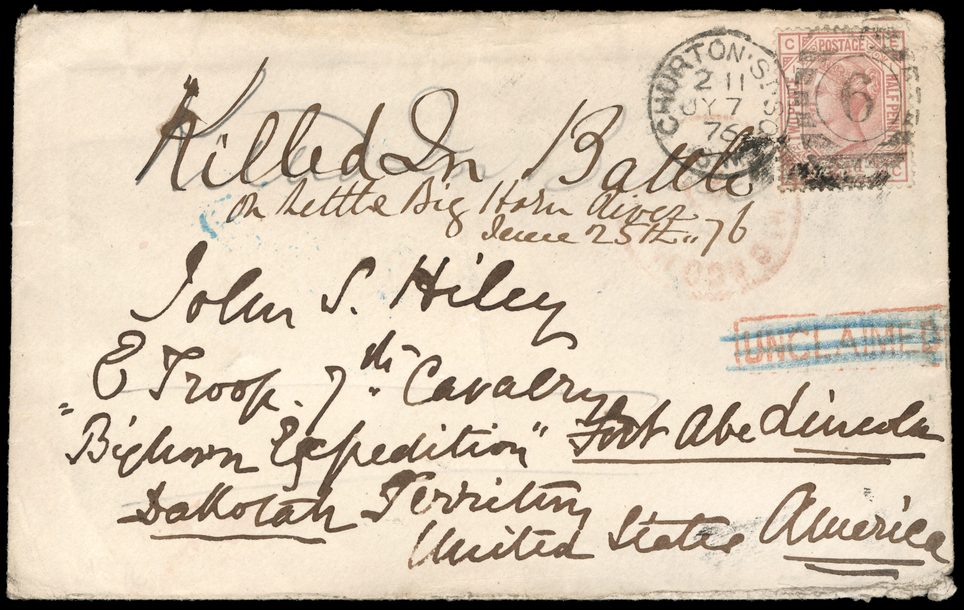
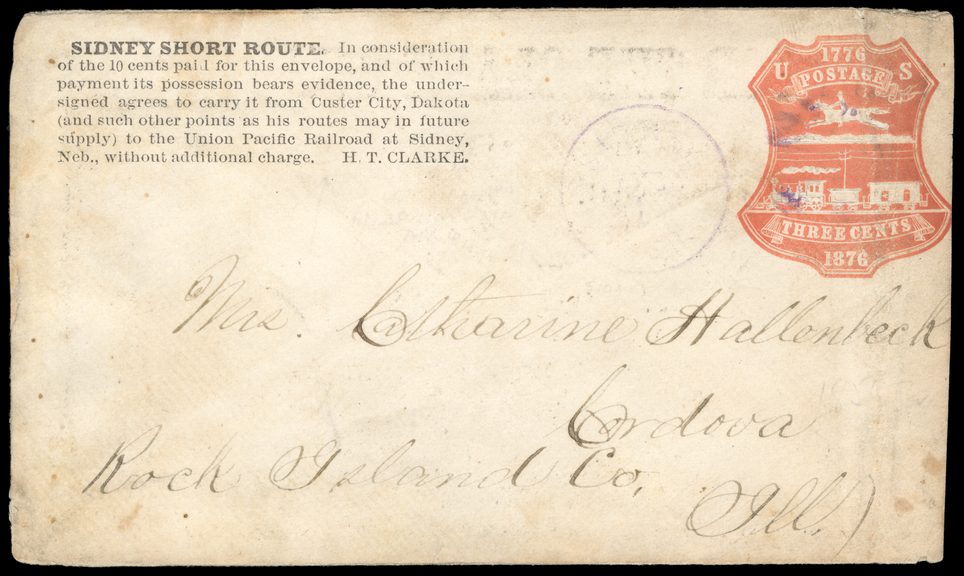
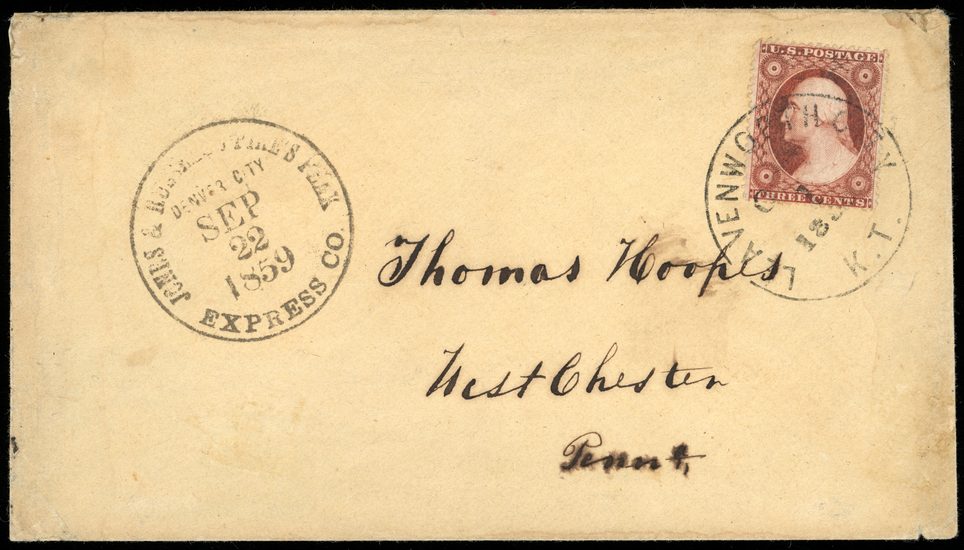
Born John Stuart Stuart-Forbes on May 28, 1849 in Rugby, England, John S. Hiley died just feet away from George Armstrong Custer at Little Bighorn on June 25, 1876. His grandfather, Sir William Forbes (the family name was legally changed to Stuart-Forbes in 1866), 7th Baronet of Pitsligo and Monymusk, was a self-made man, becoming a wealthy and powerful banker. John's father, Charles, continued in the business, moving his family to Edinburgh in 1851. On his father's death in 1859, he and his mother moved back to England, to Yorkshire, to live with his sister and brother-in-law, Henrietta and Rev. Walter Hiley. John received trust funds totaling £2,000 on his 21st birthday. This is where the story becomes murky, for in that same year he fled to the United States under the pseudonym "John Stuart Hiley". The reasons for this flight have never been substantiated, some saying he gambled away his inheritance (and more), others that he had "got a servant girl into trouble". Regardless, he never returned to the United Kingdom. In the United States, John worked as a bank clerk in San Francisco, sailed to New Zealand to visit his older brother William, and moved to New York City in 1871. On January 20, 1872, he enlisted for a five-year term in the U.S. Army, being assigned to Company E of the 7th U.S. Cavalry known as the "Grey Horse Troop" under the command of General George Armstrong Custer at Fort Abraham Lincoln in Dakota Territory. The regiment comprised about 40% European immigrants, John being one of ten Scots among them. On June 25, 1876, a day earlier than originally planned, Custer hastily launched an ill-informed "surprise attack" on a village of Plains Indians, not knowing the full size or locations of the forces ranged against him. Under the command of Crazy Horse and Chief Gall, the combined Lakota, Northern Cheyenne and Arapaho intercepted Custer's advance, wiping out five of his 12 companies, including all three under Custer's personal command. According to Wikipedia, "By almost all accounts, the Lakota annihilated Custer's force within an hour of engagement.". The Battle of the Little Bighorn (or, for Native Americans, The Battle of the Greasy Grass) became known popularly as "Custer's Last Stand". While it was undeniably the Plains Indians' greatest victory, it also led to a massive, overwhelming and merciless retribution against them by U.S. forces. Within a year of the battle, the Sioux Nation was defeated and broken, bringing the "Sioux Wars" to an end. Following the battle, while inventorying the dead men's possessions, Army officers found a letter in John's trunk from his mother, writing that his troubles had been resolved and that "he could then return home without molestation". The cover offered here is clearly a follow-up to the letter found in his trunk, mailed 12 days after his death (one only wishes the enclosure were present as well). In addition to being listed on the battle site memorial (under the pseudonym Hiley, despite his given surname being known by the time the memorial was erected), he is memorialized at the Church of St. John the Evangelist in Edinburgh.